-


-
-
- +39 333 905 3487
-

-


Ragusa – a city to experience, explore, discover and savor
|
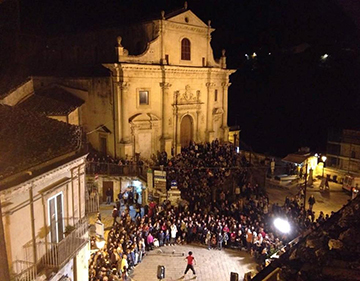
The multicultural festival with a Sicilian heart. For more than twenty years, hundreds of artists from all over the world have gathered in the Baroque district of Ragusa Ibla to bring to life the popular street festival Ibla Buskers. Now in its 26th edition, the festival is one of the most important cultural events in southern Italy and attracts around 60,000 visitors each year, while preserving its original artisanal spirit. It continues to recreate the magical connection between artists and the public on the natural stage of the streets and squares of Ragusa and Ibla. |
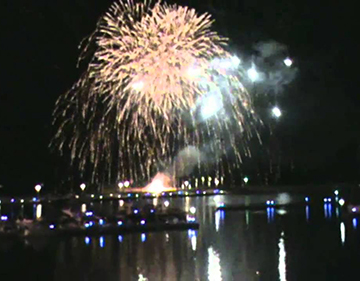
An event held to bid farewell to the beautiful season as it comes to an end. The program is rich with tastings of typical products from the Ragusa area, performances in the squares, ecological initiatives, and many new attractions every year. The most impressive spectacle is certainly the fireworks display, visible along the entire coastline of Marina di Ragusa. Three fireworks companies compete against each other, presenting their pyrotechnic shows directly over the sea. A special jury—also influenced by the thunderous applause after each performance—then awards the final prize. |
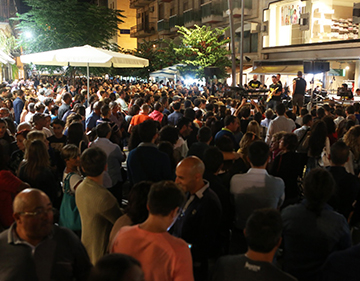
The festival organizes “sensory taste workshops” led by qualified experts in the field, along with culinary tastings at fully equipped stands. The event also features national and international artists and offers more than 100 Italian and international craft beers. In recent years the festival has become itinerant: it first takes place in Marina di Ragusa during the summer season and then moves to the charming setting of the historic center of Ragusa Superiore, where a stage is even set up in the main square for performances and concerts |
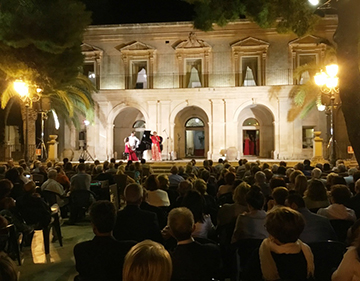
The IBLA Foundation of New York City organizes an international competition for pianists, singers, instrumentalists, and composers, held every year in Ragusa Ibla. The winners have been presented at prestigious venues such as Alice Tully Hall, Carnegie Hall, Tokyo Opera City Hall, and Tchaikovsky Bolshoi Hall, as well as at other renowned universities across the United States, Canada, Europe, Russia, Indonesia, and Japan.
|
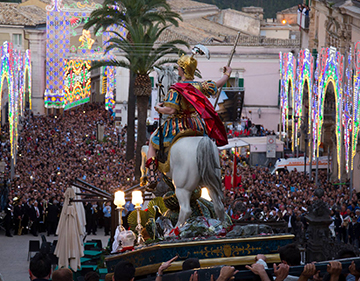
One of the two patronal feasts of the Ragusa area, and certainly the most spectacular, attracting the largest number of devotees both from the city and from outside. The celebrations always take place on the last Sunday of May, or sometimes at the beginning of June. Rich in popular tradition and folklore, it is the festival of fireworks displays, the traditional “dance of the Saint”, musical performances, and also the so-called “martyrdom” ritual.
|
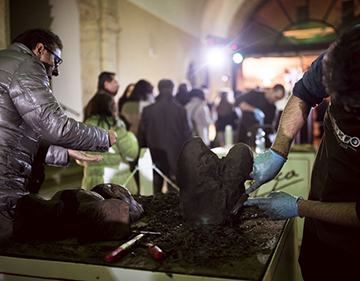
To celebrate chocolate and tell the story, goodness, and authenticity of this treasure—ancient yet always new—Modica comes alive with festivities, transforming its spaces, bringing people together, engaging with historians and experts, and inviting everyone to get their hands into the cocoa dough—along with chocolate lovers and the curious alike. This celebration, rich with conferences, workshops, presentations, games, laboratories, events, shows, and entertainment, turns the city into a vibrant stage dedicated to the famous Chocolate of Modica |
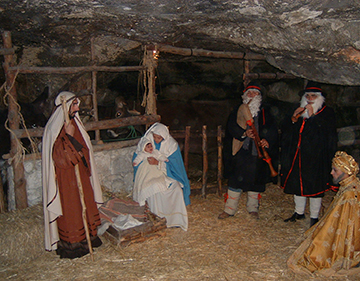
One of the most important winter events in Giarratana and among the most significant celebrations of the Iblean Christmas. Set between the late 19th century and the early 20th century, it faithfully recreates the daily life of that period, bringing back to life places and traditions that have long been forgotten. At dusk, by the soft light of oil lamps and candles, the narrow streets, houses, and workshops come alive. Numerous visitors follow a predetermined route in groups, where “living scenes” are set within authentic settings: traditional trades, period costumes, household utensils, and working tools are all original from that era. From this humble and simple world emerges a deep sense of spirituality, reaching its peak in the final scene, set 2,000 years ago |
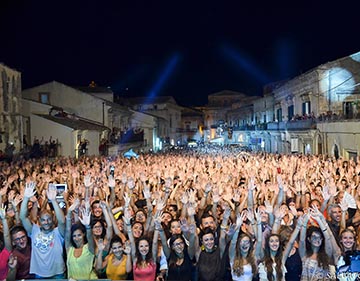
The festival, promoted by the Barocco Eventi, brings lively rhythms to a crowd that loves to have fun dancing one of the most typical dances of southern Italy. Two groups alternate on the large stage, among sounds and lights, with the extraordinary backdrop of the imposing Church of San Bartolomeo overlooking the valley. The Taranta Sicily Fest is characterized by the meeting of sounds and rhythms from Sicily and Puglia. This music, although rooted in ancient traditions, presents itself as a reinterpretation of the typical elements of popular musical culture, combined with a modern and contemporary expression of identity—made up of rhythms, harmonies, and melodies that flow freely.
|
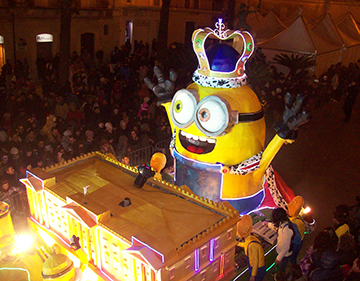
It is a small town where Carnival folklore dominates during the four days of celebration, when the village takes on a sort of medieval appearance. Amid music, dancing, and playful performances, the ancient masks parade through the streets. Around one thousand people are involved in creating the scenic displays, structures, and costumes worn during the festivities. Two masked events are followed by the grand ball in Piazza Duomo, and an entire evening dedicated to the Sausage Festival. This delicious cured meat, a typical product of the local culinary tradition, is cooked in the square over glowing charcoal, following the rules of ancient gastronomic traditions, allowing both residents and tourists to taste this famous specialty |